Imagine sitting in front of a heavy computer monitor in 1995. You press “connect,” and your phone line makes a loud screeching and buzzing sound. You wait two full minutes just for a basic web page with plain text and one small image to load.
If anyone picked up the home phone, your connection died instantly.
Fast forward to today: you can stream 4K movies on a phone in your pocket while riding a bus, or ask an AI to instantly explain quantum physics in simple terms.
The evolution of the internet is one of the fastest and most incredible transformations in human history. Here is the simple story of how we got from slow, noisy connections to the hyper-connected digital world we live in today.
1. The Early Seeds: ARPANET (1960s – 1980s)
Before the internet was public, it was a secret research project.
In the late 1960s, the U.S. government created a network called ARPANET. The goal was simple: allow computers at different universities and research labs to talk to each other and share data.
Back then, there were no websites, no colors, and no graphics. Computers only sent simple messages to one another. In 1969, the very first message sent over the network was supposed to be the word “LOGIN.” The system crashed after the first two letters, so the first online message in history was just “LO.”
2. Web 1.0: The Read-Only Web (1990s)
In 1991, a computer scientist named Tim Berners-Lee invented the World Wide Web. This changed everything because it made the internet accessible to everyday people, not just scientists.
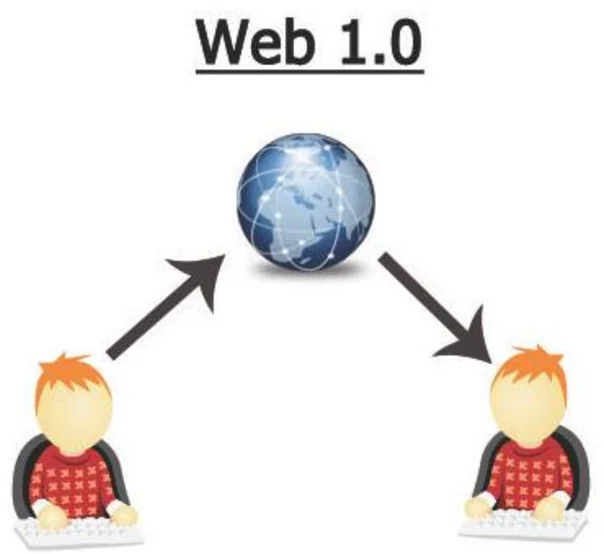
This era became known as Web 1.0:
- How it worked: Websites were “read-only.” Companies and tech-savvy users created static pages, and everyone else just read them like digital magazines.
- No interaction: You could not leave comments, like a post, or create your own profile easily.
- Dial-Up Speed: You connected using a landline phone cord. Downloading a single music file could take an entire night.
Popular sites of this era included early search engines like Yahoo!, America Online (AOL), and GeoCities.
3. Web 2.0: The Social and Mobile Revolution (2000s – 2010s)
Around the mid-2000s, high-speed broadband internet replaced dial-up. Suddenly, the web wasn’t just something you read—it became something you created.
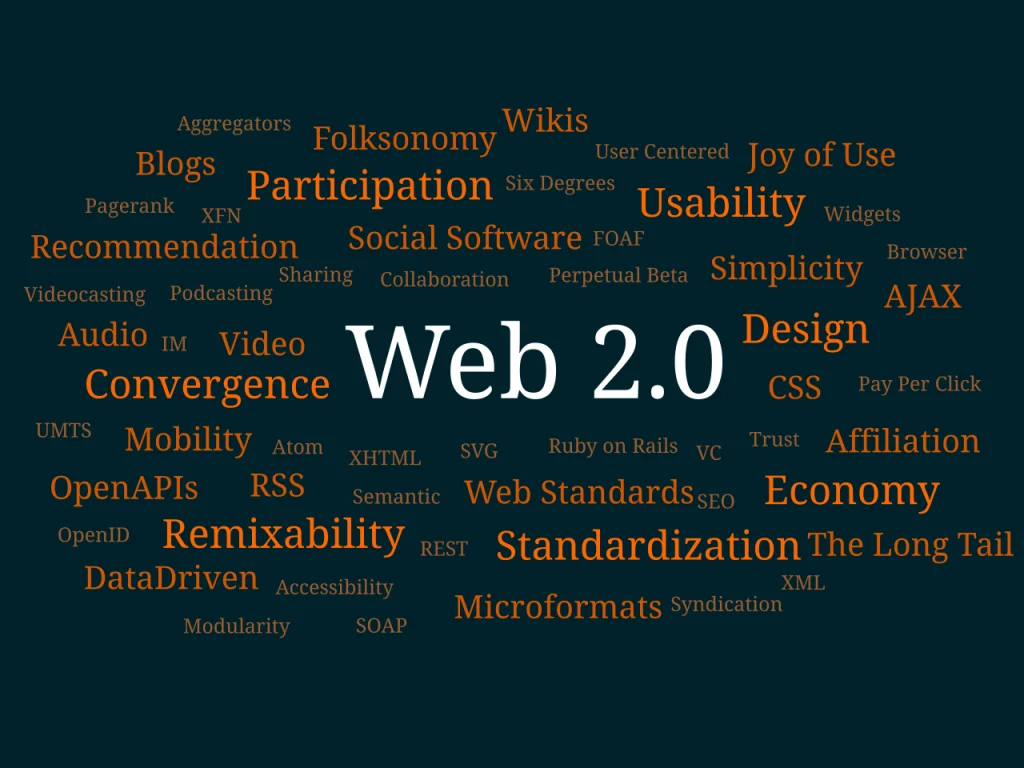
This phase was called Web 2.0:
The Rise of Social Media
Platforms like Wikipedia, YouTube, Facebook, and Twitter allowed anyone to publish photos, videos, and articles. The line between creator and consumer disappeared.
Smartphones Change the Game
In 2007, the iPhone launched, followed quickly by Android devices. The internet moved out of offices and bedrooms directly into our pockets. Apps replaced web addresses, and people stayed connected 24/7.
4. Web 3.0: AI, Cloud, and the Smart Web (2020s and Beyond)
Today, we are living in the era of Web 3.0. The internet is no longer just a collection of connected pages; it is an intelligent digital ecosystem.
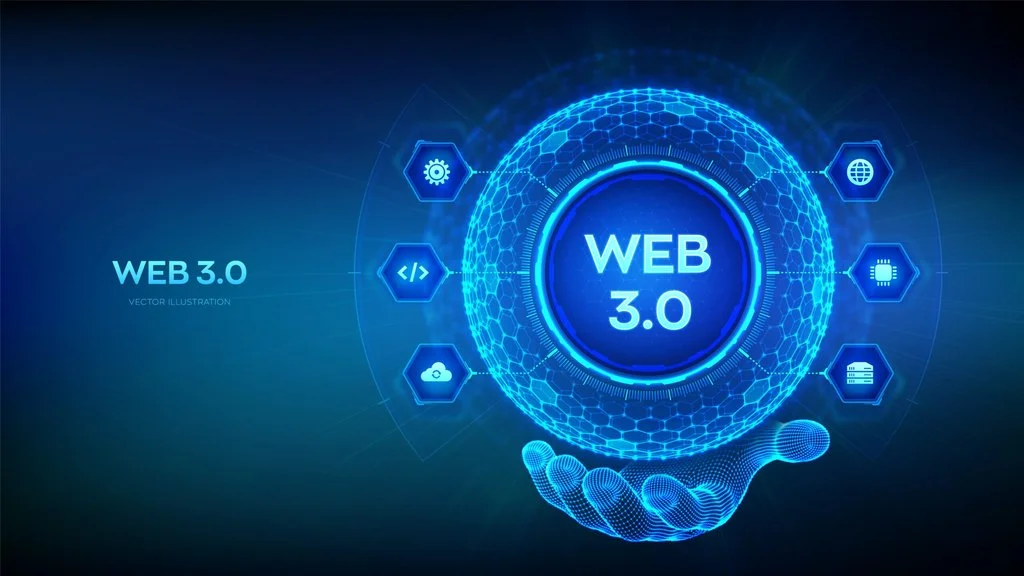
Key shifts happening right now include:
- Artificial Intelligence: AI models can write code, answer questions, create artwork, and personalize what you see online in real time.
- Cloud Computing: You don’t store your files on a hard drive anymore. Photos, documents, and games live in the cloud, accessible from any device.
- Internet of Things (IoT): Your TV, watch, refrigerator, and security cameras are now all connected to the web.
Quick Comparison: The 3 Eras of the Internet
| Feature | Web 1.0 (1990s) | Web 2.0 (2000s – 2010s) | Web 3.0 (2020s +) |
| Main Style | Static & Read-Only | Interactive & Social | Smart & Decentralized |
| Connection | Slow Dial-Up | Broadband & 4G Mobile | 5G, Fiber & Satellite |
| Content Creators | A few companies & webmasters | Everyone (Social Media) | Humans guided by AI |
| Primary Devices | Desktop Computers | Smartphones & Laptops | Wearables, Smart Homes & AI Assistants |
How the Internet Changed Our Daily Lives
Looking back, the evolution of the internet changed four main areas of human life:
- Communication: We went from writing postal letters and paying for long-distance calls to instant messaging and video calling across the globe for free.
- Work and Business: Physical stores evolved into global e-commerce sites like Amazon. Today, millions of people work remotely from home.
- Entertainment: Video rental stores like Blockbuster disappeared as streaming services like Netflix, Spotify, and YouTube brought instant entertainment to our screens.
- Learning: Information that used to hide in expensive library encyclopedias is now available to anyone with a browser in seconds.
Where Is the Internet Going Next?
The internet’s evolution is far from over. Over the next decade, we will see satellite networks like Starlink bring ultra-fast internet to the most remote corners of Earth. At the same time, spatial computing and AI will blur the line between our physical world and the digital web.
One thing is certain: the internet will keep getting faster, smarter, and more integrated into everything we do.