The software industry is experiencing its biggest shift in decades. For years, building an app or website meant learning complex coding rules, memorizing syntax, and spending thousands of hours fixing tiny bugs in languages like Python, Java, or C++.
Today, a new group of creators called vibe coders is changing everything.
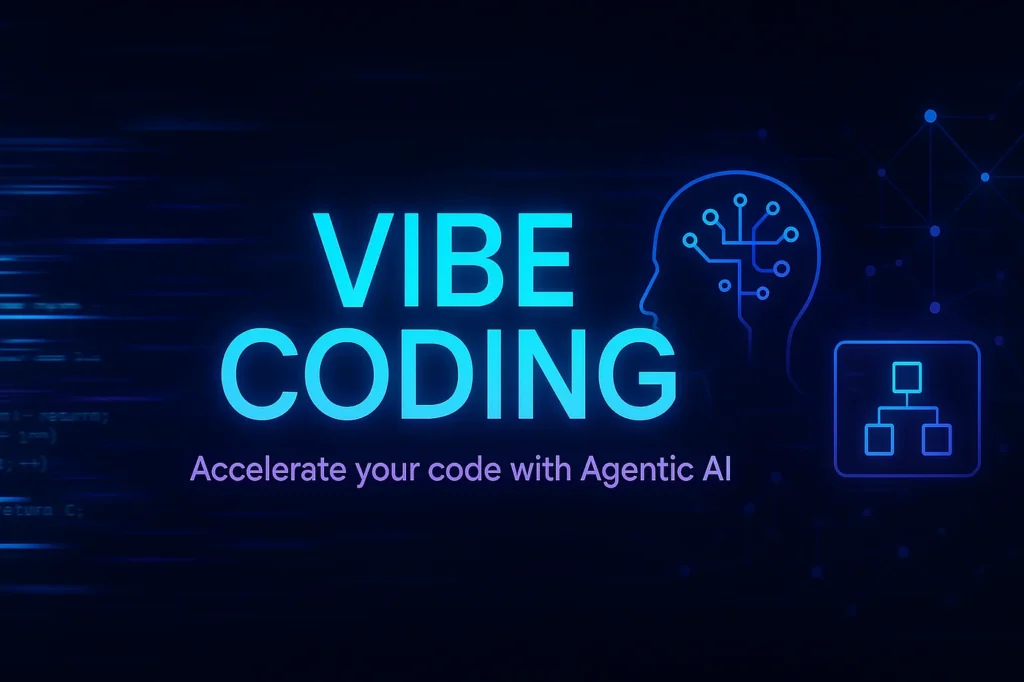
Instead of typing line after line of manual code, vibe coders use natural language to tell AI models what they want to build. They direct the software creation process like an orchestra conductor—focusing on the ideas, design, and user flow—while AI coding assistants write the underlying code.
Here is why vibe coders are set to overtake traditional developers and why this new approach is defining the future of software development.
What Is Vibe Coding?
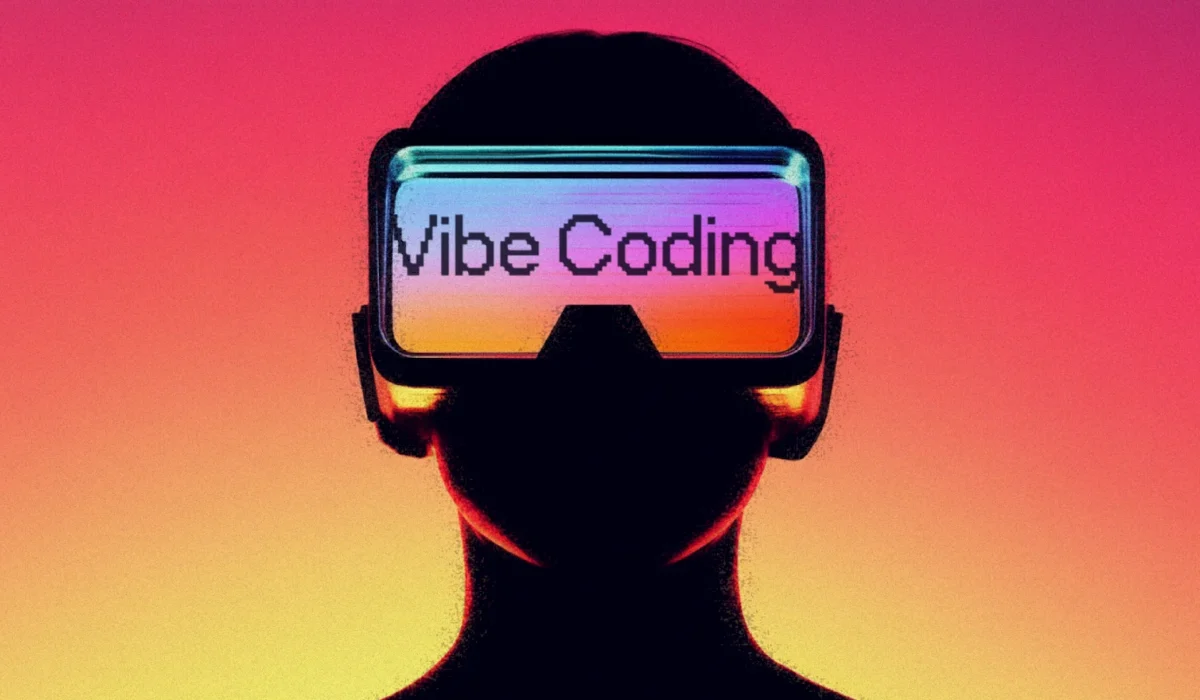
The term vibe coding was popularized by AI researcher Andrej Karpathy. It describes a workflow where a person creates software simply by talking to AI tools like Cursor, Claude, or GitHub Copilot.
When vibe coders build software, they:
- Describe their app idea using clear, simple English prompts.
- Let the AI generate the files, database setup, and frontend design.
- Review the output and tell the AI what to tweak or fix until it works.
Instead of spending hours writing logic manually, vibe coders guide the output. The hard technical syntax is handled in the background.
5 Reasons Vibe Coders Are Winning
1. Unmatched Development Speed
A traditional software team often spends weeks setting up project structures, writing user login features, and styling pages. A skilled vibe coder can build and launch a working prototype of that same app in a single afternoon. In business, being first to market gives you a massive advantage.
2. Zero Time Wasted on Repetitive Code
Most traditional programming involves writing repetitive setup code (known as boilerplate) and hunting down missing commas or brackets. Vibe coders skip these tedious steps entirely. By handing the repetitive coding tasks to AI, they spend 100% of their energy on high-value work like product design, marketing, and customer satisfaction.
3. Solo Creators Can Compete with Companies
Building a tech product used to require hiring specialized engineers:
- A frontend developer for user interfaces
- A backend developer for server logic
- A database manager
- A Quality Assurance tester
Today, one vibe coder using AI tools can handle all four roles at once. This drastically lowers the cost of starting a software business and allows solo founders to launch products that rival big companies.
4. Simple English Is the New Programming Language
You no longer need a four-year computer science degree to create software. Because English is now the primary tool for prompt engineering, domain experts—such as doctors, teachers, marketers, and accountants—can build their own tools to solve real problems without relying on an engineering team.
5. Rapid Testing Leads to Faster Success
When traditional development takes months, a failed project costs huge amounts of money and time. Vibe coders can build five different mini-apps in a single week. If four of them fail, they lose almost nothing and can focus immediately on the one idea that succeeds.
Vibe Coders vs. Traditional Developers
| Comparison Factor | Traditional Developers | Vibe Coders |
| Primary Work Tool | Manual Code Editors & Compilers | AI Coding Assistants & Natural Language |
| Core Skillset | Syntax memory, debugging, algorithms | Problem-solving, product vision, prompting |
| Build Speed | Weeks to Months | Hours to Days |
| Barrier to Entry | High (Requires years of technical study) | Low (Requires clear logic & idea clarity) |
| Primary Role | Writing code line-by-line | Directing AI to generate and refine code |
The Evolving Role of Real Developers
Does this mean traditional developers will disappear? Not entirely, but their roles are changing permanently.
While vibe coding is ideal for launching apps, building MVPs, and automating tasks, large enterprise systems still need human oversight. Critical applications in banking, medical systems, and cybersecurity need deep engineering knowledge to manage data security, infrastructure, and privacy.
The most successful developers going forward will be those who adapt. Traditional engineers who embrace vibe coding can use AI to handle 90% of the build speed while applying their deep technical expertise to secure and scale the final code.
The Road Ahead
The days of manually typing every single line of code are ending. Vibe coders are proving that speed, creativity, and product vision matter more than memorizing syntax rules. As AI models become faster and smarter, the gap between having a software idea and shipping a finished product will completely disappear.